- Mar 10, 2025
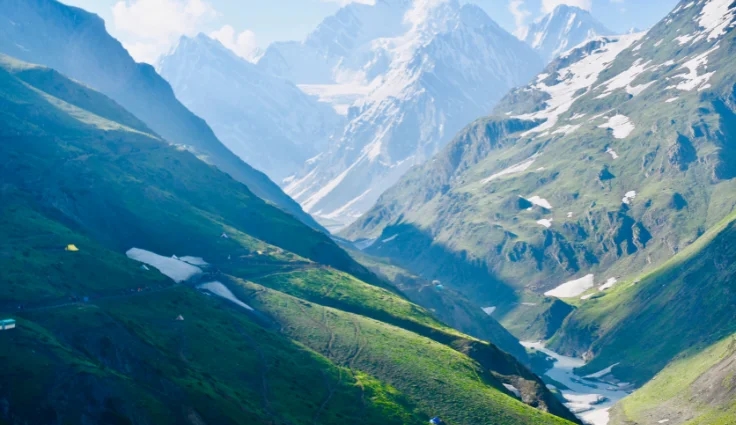
Pahalgam is a stunning hill station nestled in the enchanting region of Jammu and Kashmir. Located alongside the crystal-clear waters of the Lidder River, this picturesque destination draws countless visitors year-round, each eager to soak in its natural beauty. Perched at an impressive altitude of 7,200 feet above sea level, Pahalgam offers breathtaking views of the surrounding landscape, with lush green meadows, majestic mountains, and vibrant alpine flora. Just a scenic 45 kilometres from the main district headquarters of Anantnag, Pahalgam stands out as one of the most celebrated destinations in the state, captivating the hearts of travellers from all walks of life. It serves as a serene escape for couples seeking romantic moments amid nature's splendour and solo backpackers yearning for solitude and adventure. The tranquil ambience here is perfect for embracing peace and reflection, making Pahalgam an ideal sanctuary for anyone looking to reconnect with the beauty of the natural world. Let us together embark on a journey to uncover the breathtaking destinations and hidden gems that Pahalgam has to offer!
13 Best Places To Visit in Pahalgam, Jammu and Kashmir
1. Aru Village
Affectionately known as an "oasis of serenity," Aru village is a popular tourist spot for its natural beauty, with beautiful lakes, mountains, and meadows. It lies at the centre of the Anantnag district and offers a perfect escape for visitors seeking a calming environment. The village is surrounded by snow-capped mountains and vibrant greenery, and serves as the base camp for trekkers to the Kolahoi Glaciers, making it loved by all kinds of tourists.
2. Betaab Valley
Initially known as Hagan Valley, Betaab Valley became extremely famous after the shooting of the movie Betaab here. The valley is a renowned tourist destination in Jammu and Kashmir because of its dense vegetation, rich meadows, and scenic mountains. The cold, fresh stream of water invites locals, and a trekking base camp invites tourists from far-flung areas. Because of the lush green surroundings, people enjoy picnics at this spot.
Also Read: Best Places to Visit in India in March
3. Tulian Lake
Tulian Lake is a high-mountain lake located in the Great Himalayan Ranges of India. It is enclosed by snow-covered mountains on three sides and contains ice floating within. It offers a short trek in Kashmir due to the presence of a world-class high-altitude trailhead. The track begins on the banks of the Lidder River and features scenic mountain vistas, white waterfalls, stretches of pine forest, snow-fed streams, meadows, and the shepherd life of Kashmir along the way.
4. Mamaleshwar Temple
Situated on the banks of the Lidder River, Mamaleshwar Temple is a renowned Hindu temple and one of the oldest in the Kashmir Valley. It is dedicated to Lord Shiva. According to legend, it is the place where Lord Shiva gave Ganesha the elephant head after cutting it off. It is also believed that goddess Parvati serves as Ganesha's doorkeeper and allows visitors to enter only with her permission. The main attractions of the temple include the two-mouth Nandi idol, plinth, and a Shiva Lingam.
5. Lidder Amusement Park
Lidder Amusement Park is a fun destination for all ages, set in the beautiful Lidder Valley. It offers a variety of attractions, including thrilling rides like roller coasters and bumper cars, as well as playgrounds for younger children. It even offers miniature railways, paddle boats, and other gaming zone areas for all. Visitors can enjoy a day of excitement and relaxation amidst stunning natural scenery.
6. Chandawari
Renowned as the base of the famous Hindu pilgrimage site, Chandawari serves as the gateway to the Shri Amarnath Yatra, which begins in June and lasts until August. Thus, during the sacred Amarnath Yatra, the Valley of Chandawari receives numerous pilgrims from across the world. Apart from the religious aspect, the destination is the ideal place to relax amid tranquil nature, breathtaking scenery, snow-capped mountains, hiking, pony rides, and sightseeing opportunities.
Also Read: Best Places to Visit in April in India
7. Kolahoi Glacier
Locally known as the "Goddess of Light," Kolahoi Glacier is a hanging glacier and the highest glacier in Kashmir. It can only be reached by trekking and offers the most mesmerising scenery in the Kashmir Valley. The track will make you go through several coniferous forests, alpine lakes, waterfalls, meadows, the Lidder riverbank, and lakes. Though some parts of the track can be completed by hiring ponies or horses, it is not advisable for inexperienced trekkers due to the extremely challenging terrain.
8. Sheshnag Lake
Sheshnag Lake is a high-altitude lake in Jammu and Kashmir known for its clear water and low sediment content. Surrounded by lush meadows, it appears green and is home to various fish species, including brown trout. The lake is associated with mythology, particularly linked to Sheshnag, the lord of snakes, who is said to have dug it. As a stop on the way to the Holy Amarnath Cave, it is also a sacred pilgrimage site.
Also read: Places to Visit in Shillong
9. Panchtarni
The name "Panchtarni," meaning "five streams," refers to the five rivers that converge at this sacred site, symbolising the five elements of nature. Pilgrims perform rituals here before continuing to the Amarnath Cave, which houses a naturally formed ice lingam of Lord Shiva. Located near Pahalgam, Panchtarni is a key stop for campers and pilgrims. As the last helicopter drop point for the Amarnath Yatra, it marks the start of a 6 km trek to the holy temple.
10. Martand Sun Temple
Built in the 8th century, the Martand Sun Temple is a beautiful medieval Hindu shrine near Anantnag. It is dedicated to Lord Surya, Hinduism's solar deity, and features a fusion of various architectural styles, including Gandharan, Roman, Greek, Gupta, Chinese, and Syrian-Byzantine. Constructed from intricately carved black stone, the temple showcases the grandeur of early medieval Indian architecture. Its highlight is a spacious courtyard with a central shrine, surrounded by colonnades and 84 smaller shrines, spanning 220 feet in length and 142 feet in breadth. This architectural ensemble, which includes an earlier-built temple, once resonated with the footsteps of pilgrims and the chants of ancient rituals.
11. Kashmir Valley
The Vale of Kashmir, commonly referred to as the Kashmir Valley, is an intermountain valley in the northern part of Jammu and Kashmir, a region in Indian-administered Kashmir. This valley is encircled by the Himalayan mountain ranges, with the Pir Panjal Range to the southwest and the Greater Himalayan Range to the northeast. It stretches roughly 135 kilometres in length and 32 kilometres in width, and is fed by the Jhelum River. This area encompasses the entire Kashmir Division in Jammu and Kashmir.
12. Avantipur Temple
A remarkable piece of art can be found in the Avantipur Temple, constructed between 855 and 883 CE. Situated 29 km southeast of Srinagar, it is thought to have been built by King Avantivarman. A devoted follower of Lord Surya, the king dedicated the temple to him, though a few other deities, including Goddess Ragnya Devi, are also represented there. The king also built two additional temples near the main shrine. The smaller temple, which is still active, is dedicated to Lord Shiva. The other temple, known as Avantiswami Temple, now lies in ruins and was once a prominent Vishnu temple. Both temples display characteristics of the Greek architectural style.
13. Aru Wildlife Sanctuary
The Aru Wildlife Sanctuary is a protected area located in the Aru Valley, Pahalgam, near Anantnag city in the Anantnag district of Jammu and Kashmir, India. It is situated 46 kilometres from Anantnag City, the district's administrative centre. The sanctuary is positioned near the two villages of Overa and Aru. It is significant for its efforts in conserving the critically endangered Hangul deer. The diverse bird species found there, including the Himalayan Monal, make it a fascinating spot for birdwatchers and ornithologists. Additionally, the sanctuary plays a vital role in maintaining a high-altitude ecosystem, offering a unique opportunity to study adaptations to extreme environments.
Contact us