- Jun 23, 2026
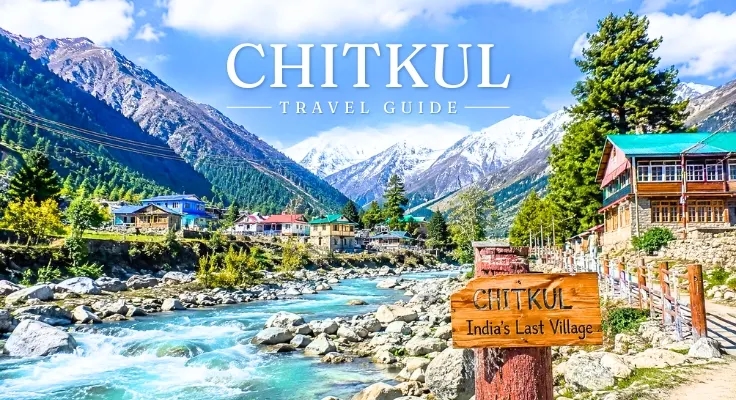
Many have visited Himachal Pradesh for places like Shimla, Kufri, Manali, Solang Valley, Dharamshala, Kasol, and Spiti Valley, and have deprived themselves of the opportunity to witness the beauty of Chitkul, famously known as one of India's last inhabited villages near the Indo-Tibetan border. Located at an altitude of 11,300 ft on the Indo-Tibetan border, Chitkul is exactly what you think heaven looks like. The village offers a raw Himalayan escape, filled with clear skies, an apple orchard, and the meandering Baspa River. Once in a while, you might feel the urge to give yourself some time to disconnect, enjoy local culture, and experience the high-altitude treks. Tucked away from the general hubbub of life, visiting Chitkul will teach you the value of little things and the significance that they carry. Prepare yourself to be awestruck by the local culture, food, people, and most of all, the landscapes. Pack your bags with the bare minimum and get ready to go off the grid to witness the underrated gem that is Chitkul.
Things to Do in Chitkul
Once you have decided to travel to Chitkul, Himachal Pradesh, you should plan how to spend your time. The village provides you plenty of chances to wander, explore and be amazed at the sight of beauty. The raw beauty of Chitkul lies in its perfect isolation, dramatic seasonal shift and the deep-rooted Kinnauri culture. To be amazed by the majestic panoramic backdrop of the snow-clad Kinnaur Kailash mountain range, you can use the must-do list that is provided below and have a splendid trip:
1. Trekking Near Chitkul
When you are travelling to a mountainous area, you will likely have to trek. The same is the situation of Chitkul, which offers you easy day hikes to extremes at the high-altitude Himalayan crossovers. The entire region is filled with stunning alpine meadows, rushing rivers, and rugged and snow-capped mountain trails. Some of the treks are Lamkhaga Pass Trek, Borasu Pass Trek, Ranikanda Meadows Hike, and Kinnaur Kailash Parikrama Trek. Ideal trekking can happen with your group and a ready-to-work plan. At every stop, the view will blow your mind, and you will be asked to take a break from the hustle of the cities. It is an incredible experience that perfectly blends the thrills with the pristine landscapes and the unique cultural charm of the Kinnaur region. Trails wind through vast alpine meadows, run parallel to the crystal-clear Baspa River, and offer dramatic views of snow-capped peaks like the Kinnaur Kailash range. Treks often intersect with ancient, traditional Kinnauri villages. You can explore the centuries-old Mati Devi Temple in Chitkul itself.
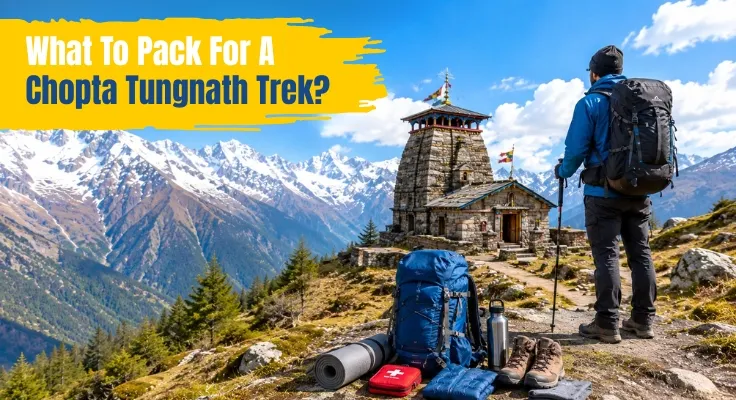
See also: What To Pack For A Chopta Tungnath Trek?
2. Sit for a long time beside the Baspa River
Imagine sitting near the Baspa River, water gushing around with its loud yet pleasant sound, and just above you, around you, the Himalayas, looking straight into your eyes, willing to offer more than you asked for. Such is the ethereal experience that you will get when you choose to sit near Baspa. The Baspa River Front is a premier, peaceful spot for camping in Himachal Pradesh. It is considered a must-visit mountain experience, offering a blend of pristine nature and a rejuvenating atmosphere, and providing access to the untouched Himalayan vistas. The constant, soothing sound of the fast-flowing river acts as a natural noise-cancelling barrier against the outside world, creating a highly relaxing and peaceful environment. As a camper, you will be offered the dramatic views of the snow-capped peaks, bhojpatra trees, and lush pine. You can interact with the locals and let the night pass by.
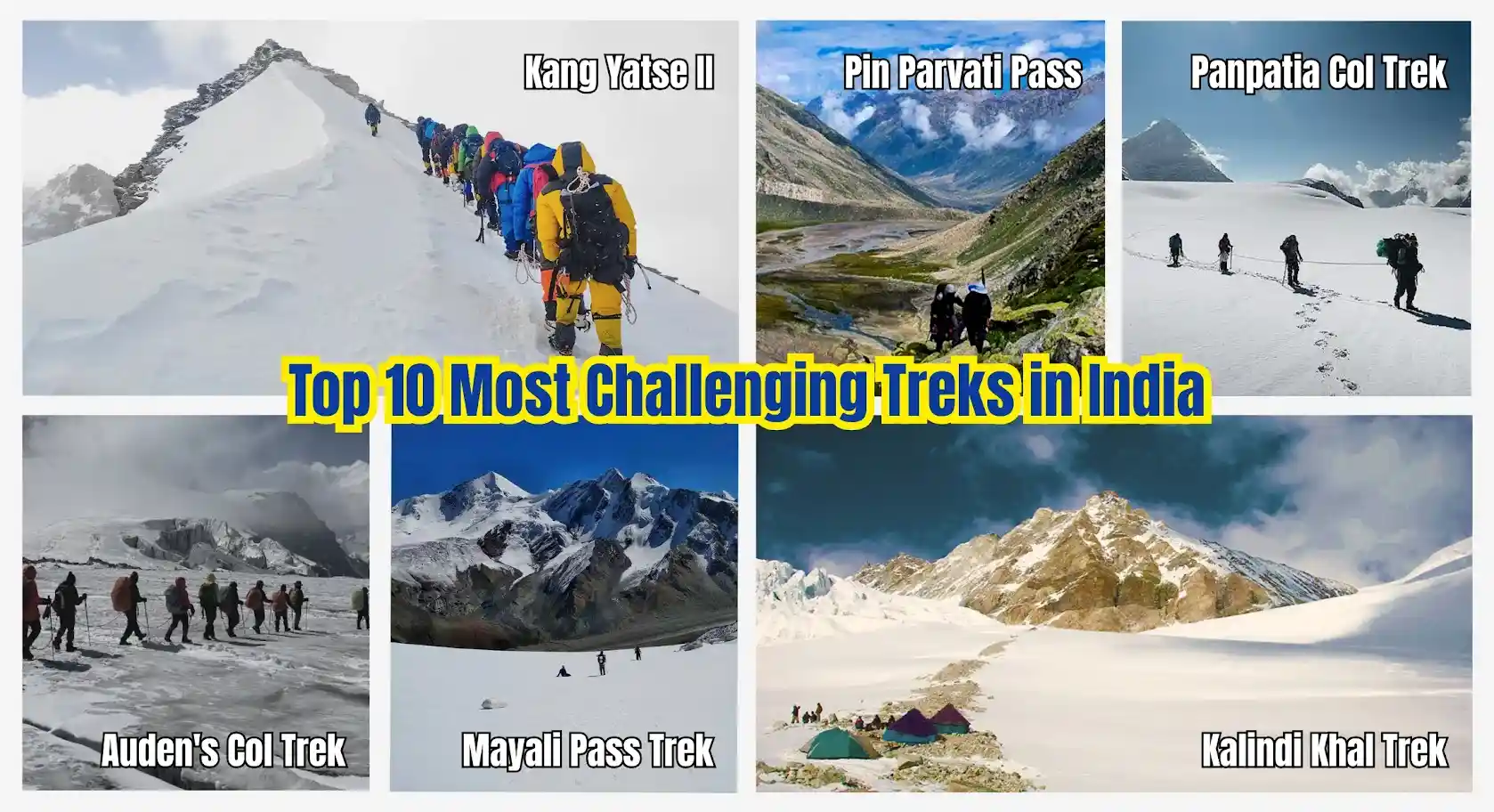
See also: Top 10 Most Challenging Treks in India
3. Visit the Mathi Mata Temple
The Mathi Mata Temple stands as a testament to the unwavering faith of the Kinnauri people in their culture and religion. The temple dedicated to the Goddess Mathi Devi is weathered with wooden beams that share the long gospel between the people and the deity. The story of the Mathi Mata Temple has long been preserved by being shared with generations and the travellers. The local folklore states that the Goddess Mathi Devi journeyed from the pious lands of Vrindavan to Mathura, Garhwal, Badrinath, and then to the mountains of Chitkul. The deity is said to be the divine consort of Lord Badrinath, who is incarnated solely to protect the seven divisions of the Kinnaur Valley. The temple is an architectural marvel and has survived centuries. You should also make sure to talk to the elders and locals about it, as they share their memories as living memory rather than myth.
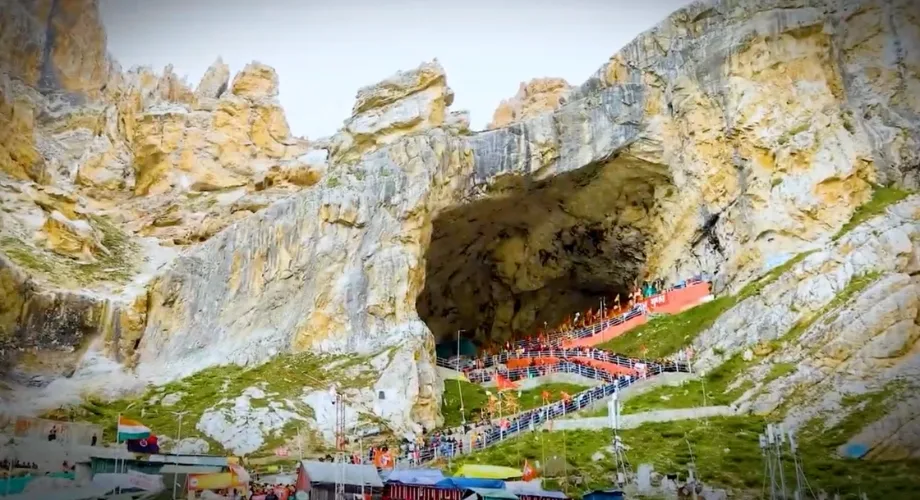
See also: Amarnath Yatra 2026
4. Witness the Himalayan Charm
Chitkul offers breathtaking views of the majestic Himalayan mountains. The village will provide you with unspoiled landscapes, greenery, a river, and, as a cherry on top, the Himalayas. Rest assured, you will get postcard-perfect views. The region will offer you unobstructed panoramic views of the towering Greater Himalayas and the majestic Kinnaur Kailash peaks, framed by the crystal-clear Baspa River. There are several activities that you can participate in, but the simplest beauty lies in gazing at the beauty through and through and adoring the marvel created by Mother Nature. Enjoy stunning, wide-angle views of the snow-clad peaks directly from the Baspa River's riverbed. You can disconnect from the world and live simply in a beautiful environment that boasts incomparable views of the multi-coloured fields and orchards.
See also: Badrinath Yatra 2026: How to Reach, Best Time & Travel Tips
5. Dine at the Last Dhaba of India
In the remote village of Chitkul, a famous eatery known as "Hindustan Ka Aakhiri Dhaba", a must-visit when you are looking for authentic Himachal Pradesh food. This humble eatery in the heart of Chitkul is owned and run by an elderly couple who remain committed to providing delicious meals that feel like home. The menu has rajma chawal, kadhi chawal, and the most popular Maggi noodles, prepared with a few extra seasonal spices for added flavour. It is not just the food that makes it a unique place to eat, but also the mesmerising view of the snow-capped mountains, the gushing Baspa River, and the sun peeking through. The unpretentious ambience of the dhaba holds on to the simple culture and modest way of life of the people of Chitkul.
See also: Char Dham Yatra Registration 2026
6. Astrophotography and Stargazing
With the rise of Astrotourism in India, people are finding ideal destinations that are serene by day and clear at night. Chitkul is one of the best and most underrated destinations for astrophotography and stargazing. Since the district is located at an elevation that helps reduce light pollution, the crystal-clear mountain air makes it ideal for capturing the Milky Way and observing other celestial events. You can set up camp along the riverbanks, which gives you a stunning foreground of chilled, rushing water with rocky terrain beneath the canopy of billions of stars. Some of the best spots for Astrophotography are the Baspa Riverbed, Batseri Village, and the Hobbit House, which provides you with the pitch-black sky to experience the wonder yourself.
See also: Kedarnath 2026 Travel Guide For First Time Visitors
7. Explore the Apple Orchards
As they say, "An apple a day keeps the doctor away", Chitkul is known for its thriving apple orchards. For a sensory and rejuvenation experience, you should take a walk and explore the apple orchards of Chitkul. The experience involves wandering through rows of fragrant, fruit-laden trees while enjoying the crisp air and rustic scenery. You get to hand-pick the apples and indulge in seasonal treats. Pick your baskets or bags and walk the rows as you search for the perfect apples. Your guide will help you pick the best apples from the trees. For a little help, you can gently lift and twist the apples so the stem stays intact and you get fresh, red, juicy apples from Chitkul. It is a must-try experience with cosy vibes, crisp weather, and scenic views.
8. Watch Sunrise and Sunset at the Baspa Valley
To make the most of your time in Chitkul, instead of rushing to check off places on the list, take some time to watch the sunrise and sunset. Think about the river water, shining just as the rays hit it, making it ripple. Who would not want to spend their morning and evening like this? There are several locations in Chitkul that are prime for catching a glimpse of the sunrise and sunset, such as the Baspa River Bank, Village Edge, ITBP Post, Chitkul View Point, and Baspa Valley. Out of all the most tourist-picked destinations, the Baspa Valley is the most popular as it offers you the spectacular views of the snow-capped Kinnaur Kailash range and the Baspa River.
9. Make 7 Pebbles Wish
When travelling to Chitkul, you must have noticed stacks of pebbles lined up on top of each other. It is known as the 7 pebbles wish. Making a "7 pebbles wish" is a traditional meditative and cultural practice, particularly popular in the Himalayas and Buddhist traditions, where you stack exactly seven stones, with each pebble representing a specific wish. You should do it to manifest your dreams, honour a loved one, or bring good fortune to your family. This tradition is found primarily in the mountainous region of India, the Chitkul region in the Baspa Valley. Anything that weighs heavily on you, worry, problems, can be left behind with each stone that is placed. If the stack remains still throughout and is perfectly balanced, your wish will be granted.
10. Wander through the Sangla Meadows
Sangla Meadows, located in the Chitkul Valley, is a beautiful high-altitude alpine pasture valley of Himachal Pradesh. The valley is known for its panoramic views of the Kinnaur Kailash mountain range, which is filled with flowers, making it a serene trekking trail. The valley is called one of the most beautiful valleys in the country. If you want to experience views of the Himalayan peaks, including Kinnaur Kailash, and enjoy water sports like river rafting or angling in the clear blue Baspa River, then do not miss visiting the Sangla Meadows. The valley blooms in spring and summer, making it perfect for leisurely walks and short hikes. It is a heaven for campers, trekkers, and adventure seekers who wish to make the most of as many opportunities as possible.
How to Reach Chitkul?
When you are travelling to Chitkul from your hometown or city, it is wise to prepare in advance for the routes you can take and the means of travel available to you. Understanding the route and available transport options will help you plan a smoother journey. Even though Chitkul has been developed to ensure a safe, comfortable, and well-managed trip, you can keep the additional information handy. To reach Chitkul, people usually travel from Shimla, Rampur, Karcham, Sangla, and Rakchham. Below are the means that you can choose to travel to Chitkul:
By Road
The majority of travellers choose to reach Chitkul by road because of better connectivity to major cities such as Chandigarh, Shimla, and Delhi. The entire route from these cities to Chitkul is scenic and will make you lose track of time. You can take as many pit stops as necessary and enjoy the journey. The roads are comparatively narrow and can be tricky to handle on narrow stretches, in mountainous areas, and in landslide zones. It is always recommended that you travel slowly and avoid driving at night. A common trail followed is:
Delhi or Chandigarh → Shimla → Narkanda → Rampur → Karcham → Sangla → Rakchham → Chitkul
By Air
Since Chitkul is an isolated village, it has no airport and no direct connection. The nearest airports to Chitkul are Chandigarh and Shimla. The Chandigarh Airport is 350 km from Chitkul, and the Shimla Airport is 250 km from Chitkul, so you can choose based on your origin and destination, as well as your travel time. Most people prefer Chandigarh Airport for its easy connectivity and the availability of taxis and buses for onward journeys. Now, Himachal also has helicopter connectivity from Shimla to Reckong Peo in Kinnaur, which will save you time and make travelling easier.
By Train
Chitkul does not have a direct railway station, which makes it difficult to reach, even if you choose the nearest one. The route, however, can be scenic but will take longer and add some hassle. The nearest major railway stations are at Chandigarh and Kalka. Once there, you can take a road trip to Shimla or Kinnaur, then reach Chitkul.
Best Time to Visit Chitkul
To have an amazing experience in Chitkul, make sure to pick the best time for a once-in-a-lifetime experience. While the best time to travel to Chitkul depends on you, the kind of trip you want, and what you are seeking, considering major factors such as road access, weather, and more, you should visit Chitkul in May to June and September to October. The temperature in May and June, and in September and October, typically ranges from daytime highs of around 15–20°C to a chilly low of 1°C at night. It is a spectacular time to visit, as the monsoon rains clear, leaving behind clear skies and beautiful, crisp mountain air. The whole of Chitkul comes to life in these seasons, blooming and making it feel heavenly. The clear blue sky and vibrant surroundings will wholeheartedly welcome you and offer respite from the scorching summer heat.
Must-Read Travel Tips to Follow when Visiting Chitkul
- You should rely solely on cash for payment, as there are no ATMs in Chitkul and digital payments are extremely limited due to poor connectivity.
- Stay well hydrated, do not rush and take your time as you reach the altitude. It can get sickening and risky to your health.
- Medical facilities are sparse. Pack a basic first-aid kit containing altitude meds (like Diamox), painkillers, and motion sickness tablets for the winding roads.
- The temperatures can drop rapidly at night, so you should layer up even in the summer. Carry heavy woollens, windproof jackets, and thermal innerwear.
- You should have a power bank for your phone and consider getting other SIMs, such as Jio or Airtel.
- The weather can be harsh and dry, so keep your moisturising kit with you, including lip balms, hand creams, and other essentials.
- You might not find any petrol pumps in Chitkul, so you should be prepared in advance at Reckong Peo or near Tapri.
Conclusion: Away from the chaos of cities and towns lies Chitkul Village in Himachal Pradesh, isolated yet dense with beauty. Chitkul will call you when you need it the most and will mesmerise you. Now, when you are planning your trip to Chitkul, make sure to use the to-do list provided in this post, along with some tips and words of wisdom. With this post, you have been provided with a ready-to-use guide of Chitkul that will help you to reach, explore, and return safely and successfully.
Frequently Asked Questions
1. How many days' trip is enough to travel to Chitkul and explore it completely?
For an ideal trip, you should stay in Chitkul for at least 2 nights. There are many activities you could indulge in, so it will take some time to experience them properly.
2. What makes Chitkul worth visiting in 2026?
Chitkul is a remote, soul-stirring destination in Himachal Pradesh, famous as the last inhabited village near the Indo-Tibetan border. Travellers visit to experience raw Himalayan magic, wander through traditional wooden houses, walk beside the crystal-clear Baspa River, and enjoy sweeping views of snow-capped peaks.
3. What are the famous Chitkul dishes that should not be missed on the visit?
Chitkul’s cuisine features a hearty blend of authentic Kinnauri and Tibetan influences, with a strong focus on warming, locally sourced ingredients like buckwheat, barley, and dairy. You should try the Siddu, Aktori, Thukpa, Thentuk, Madra, Babru, Chhang, Arak, and Kinnaur Kulfi.
4. Is Chitkul a safe place for tourists?
Yes, Chitkul is generally a safe destination for tourists, including solo travellers, and has low crime rates. However, because it is an isolated Himalayan village in Kinnaur, you should primarily prepare for natural and medical challenges rather than security threats.
5. Which is the best time to visit Chitkul?
The ideal time to visit Chitkul is from May to June or September to October, as the weather is pleasant and the valleys are open for exploring.