- May 18, 2026
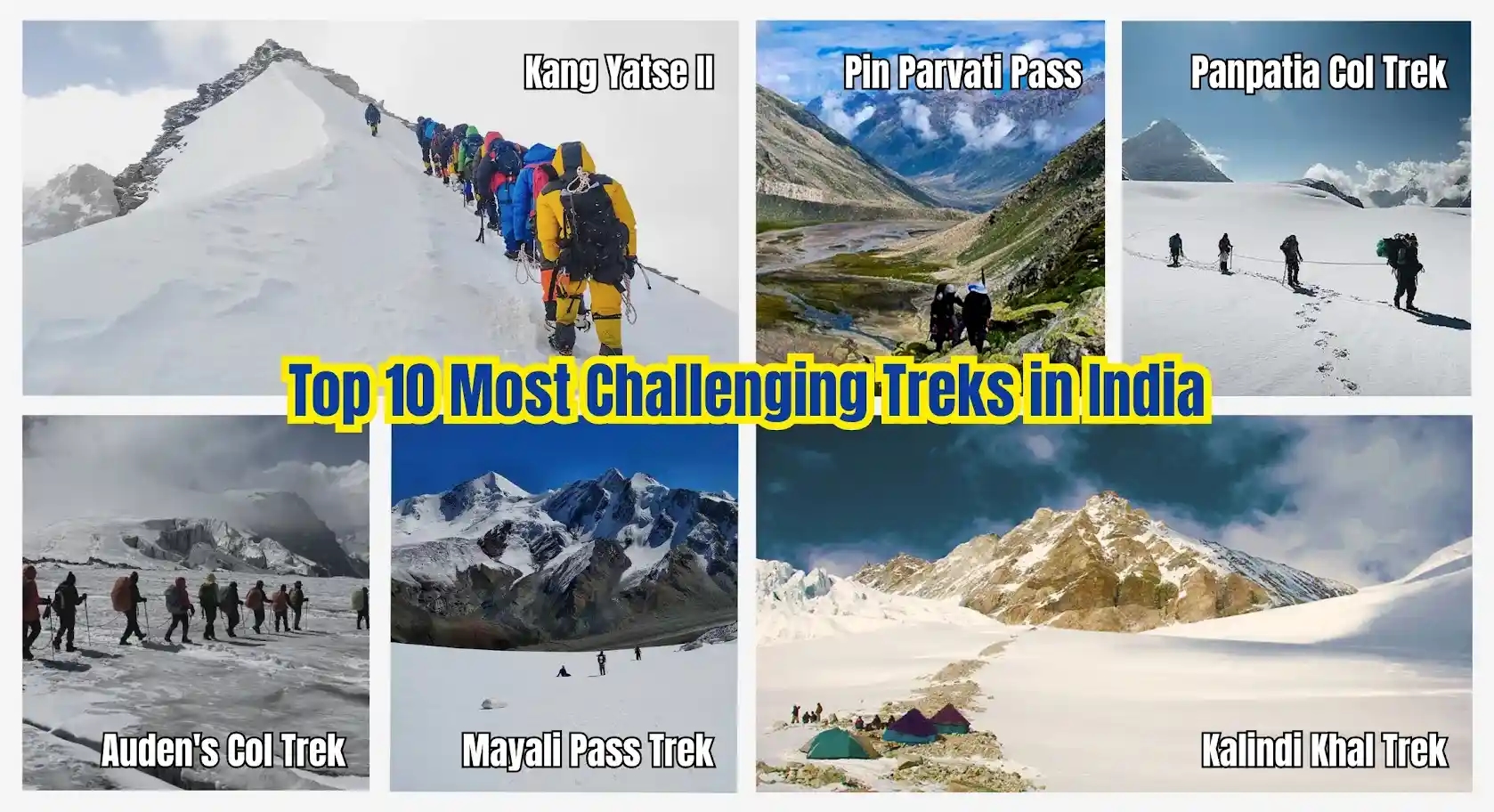
Trekking is among the most favoured activities for adventurous individuals, as it offers a genuine test of both physical and mental endurance. Despite being a highly energy-draining activity, thousands of people pursue it each year because the rewards make it worthwhile, whether it's scenic views or the satisfaction of completing a massive task. Engaging in a challenging activity, such as trekking, provides valuable insights into oneself and the natural environment. However, before commencing the trek, the most formidable task is identifying a suitable trail for the adventure. In this article, we will be exploring some of the most challenging treks in India that will truly test your might.
1. Kang Yatse II (Ladakh)
The Kang Yatse II trek is one of the most sought-after high-altitude trekking peaks in the Indian Himalayas. Located within the stunning Hemis National Park, Kang Yatse II stands at 6,250 meters and is the shorter of the two cousins, Kang Yatse I. While it is heavily marketed as a trekking peak, physical stamina and basic mountaineering knowledge are essential. The gruelling 12-hour summit push is a technical ascent that takes trekkers across loose rocks, moraines, and steep snow slopes requiring crampons and ropes at high altitude.
- Estimated Duration: 10-12 days
- Approximate Distance: 72-75 km
- Best Time to Visit: June to September
2. Pin Parvati Pass (Himachal Pradesh)
Traversing through lush green forests, alpine meadows, and the high-altitude desert of Spiti, the Pin Parvati Pass is one of the most challenging yet beloved mountain trails for hikers. Starting near the Parvati Valley and ending in Spiti, the pass is approximately 5,319 meters (17,450 feet) high, offering picturesque views of snow-capped mountains. Its strenuous nature demands a high level of physical fitness and endurance.
- Estimated Duration: 10-12 days
- Approximate Distance: 110 km
- Best Time to Visit: July to September
3. Panpatia Col Trek (Uttarakhand)
Among the most challenging yet exciting treks, the Panpatia Col Trek is well-known. It is situated in the Garhwal Himalayas and connects the holy pilgrimage sites of Kedarnath and Badrinath. Navigating an alpine pass at a thin-air altitude of 5,260 meters, this widely respected trek tests trekkers’ physical limits with technical challenges. Since it's one of the least-travelled passes in the Indian Himalayas, it's a wonderful choice for experienced trekkers and aspiring mountaineers seeking a unique adventure.
- Estimated Duration: 11-12 days
- Approximate Distance: 60 to 80 km
- Best Time to Visit: May to June & September to October
4. Auden's Col Trek (Uttarakhand)
With a staggering elevation of 5,490 meters (18,010 ft) and steep climbs, rocky paths, and glaciers, Auden's Col Trek is a must-visit for all adventurers. The trek commences from Gangotri and ends near Kedarnath, offering eye-pleasing views of the dramatic valleys and peaks. The summit provides stunning views of the Gangotri peaks, Jogin I and III, and the Khatling Glacier.
- Estimated Duration: 14-16 days
- Approximate Distance: 95 km
- Best Time to Visit: June to Mid-October
5. Kinnaur Kailash Parikrama Trek (Himachal Pradesh)
The Kinnaur Kailash Parikrama Trek holds immense religious significance because it houses a 79-foot rock formation known as the "Shivling," which changes colours throughout the day. With extremely limited facilities, no cellular connectivity, and altitudes reaching up to 5,300 meters, the terrain is exceptionally complex. However, it offers astonishing views of the Kinnaur Kailash range, Jorkanden and Raldang peaks, and many more surrounding valleys.
- Estimated Duration: 10-12 days
- Approximate Distance: 60-70 km
- Best Time to Visit: June to September
6. Kalindi Khal Trek (Uttarakhand)
The Kalindi Khal Trek, which traverses the Gangotri Glacier, Nandanvan, Vasuki Tal, and Kalindi Khal Pass from Gangotri to Badrinath, offers a fantastic blend of spirituality and pure expedition-style adventure. The highest point is approximately 5,945 metres and features heavily crevassed glacial landscapes, moraines, and high-altitude wildlife.
- Estimated Duration: 13-15 days
- Approximate Distance: 100 km
- Best Time to Visit: Late June to September
7. Goecha La Trek (Sikkim)
With breathtaking views of Kanchenjunga and other Himalayan peaks, the Goecha La Trek offers one of the most memorable and adrenaline-pumping experiences. The viewpoint trek reaches a height of 4,600 meters (15,100 feet), and the trail encompasses diverse landscapes, including lush rhododendron forests, high-altitude meadows, and rocky terrain.
- Estimated Duration: 9-11 days
- Approximate Distance: 90 km
- Best Time to Visit: April to May and September to October
8. Lamkhaga Pass Trek (Uttarakhand & Himachal Pradesh)
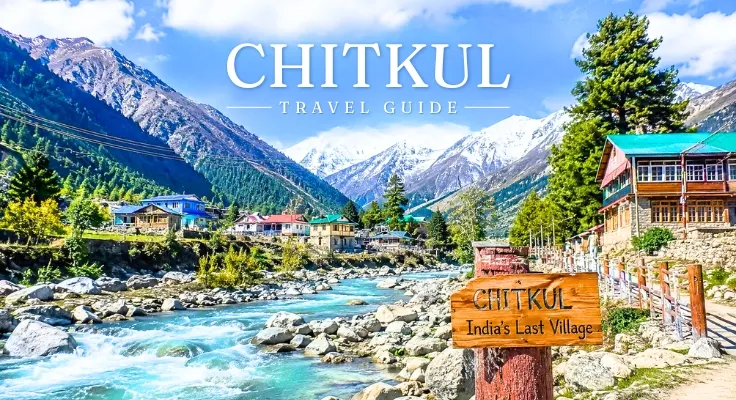
Situated in a remote location with limited access to amenities and rescue services, the Lamkhaga Pass Trek is extremely challenging. It is one of the longest trails, connecting Chitkul in Himachal Pradesh to Harshil in Uttarakhand. Hikers can enjoy a diverse range of scenery, including panoramic views of the Kinnaur and Garhwal Himalayas, dense forests, glacial terrain, and vibrant meadows.
- Estimated Duration: 10-15 days
- Approximate Distance: 90 km
- Best Time to Visit: May to June and September to October
9. Mayali Pass Trek (Uttarakhand)
The Mayali Pass Trek starts from Ghuttu and runs parallel to the River Bhilangna, offering a sensational experience of the Indian Himalayas. This trek is one of the most rewarding, featuring several key locations, including Gangi village, Sahastra Tal, Masar Tal, and spectacular views of the Gangotri Glacier, the Bhilangna River, Thalay Sagar, and the Khatling Glacier. Trekkers are tested by unpredictable mountain weather and their own physical limits, but the views are totally worth it.
- Estimated Duration: 11 days
- Approximate Distance: 55 km
- Best Time to Visit: May to June or September to October
10. Bara Bhangal Trek (Himachal Pradesh)
Cold temperatures, high altitudes, lush green valleys, and dense forests spread across glaciers and moraines all contribute to the impressive Bara Bhangal Trek. It offers stunning views of the Dhauladhar and Pir Panjal mountain ranges, as well as valleys and glaciers. The trek is highly challenging because of multiple river crossings, steep ascents and descents, and its remoteness. The trail demands experienced trekkers with good physical fitness.
- Estimated Duration: 10-12 days
- Approximate Distance: 80 km
- Best Time to Visit: Mid-June to Early October
Conclusion
India is home to one-of-a-kind, riveting mountains teeming with rich biodiversity and magnificent views. All these things make it one of the most preferred spots for trekking, especially for adventure-seekers who want to explore high altitudes. The article explores the "Top 10 Challenging Treks in India," highlighting their features and key information to know before starting your trek. Please go through the trekking trails listed above one by one to select the one that suits you best and choose it for your next expedition.
Frequently Asked Questions (FAQs)
Q1. Which is the most beautiful trek in India?
Ans. While beauty is subjective, the Goecha La Trek is widely considered one of India's most eye-pleasing and fascinating routes. It offers unparalleled views of Mount Kanchenjunga, diverse landscapes, and allows you to witness the charming Sikkimese culture.
Q2. What trekking equipment should I take?
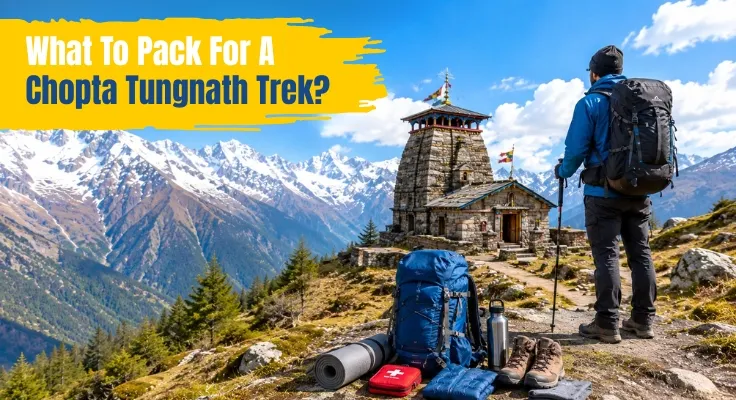
Ans. To hike safely and avoid physical harm on advanced treks, you must carry a sturdy 60L+ backpack, trekking poles, insulated gloves, a headlamp, waterproof hiking boots, crampons/microspikes (if snow is expected), and a comprehensive first-aid kit.
Q3. Which is the longest trek in India?
Ans. The Great Himalaya Trail (GHT) is the longest trek, spanning approximately 1,700 km. On average, most individuals take 150 days to complete the total trek.
Q4. What precautions must trekkers take for their trek?
Ans. The following pointers must be kept in mind for safe trekking: (i) Evaluate your health, (ii) Check the weather forecast, (iii) Study the route, (iv) Pack the essentials, and (v) Wear appropriate clothing and equipment.
Q5. Which Indian trek is suitable for beginners?
Ans. Nag Tibba Trek is the most preferred trekking trail, especially for first-time hikers. It has a moderate elevation and well-defined trails, with a total trekking distance of around 15 km that can be completed within 2-3 days.
Q6. How long does a trek take to complete?
Ans. Trek duration entirely depends on the location, difficulty, and your acclimatisation speed. While beginner treks take 2–4 days, the advanced high-altitude treks listed above take 10-15 days to complete safely.
Q7. How much does trekking cost in India?
Ans. The cost varies drastically depending on the destination, duration, and whether you join a commercial group or hire a private expedition team. On average, a standard guided trek costs INR 15,000 to INR 30,000, while complex, tough expeditions (like Kalindi Khal or Panpatia Col) cost INR 60,000 to INR 1,30,000.
Q8. What is the best season for trekking in India?
Ans. Seasonal preferences vary depending on the selected trekking spot and distance. Typically, the best seasons to trek in India are spring (March to May) and autumn (late-September to November) because of the favourable weather conditions.
Q9. Which season should you avoid for trekking in India?
Ans. You should strictly avoid planning treks in Uttarakhand, Sikkim, and lower Himachal during the peak monsoon season (July to August) due to the high risk of landslides, flash floods, and slippery trails.
Q10. What things should I carry during the trek?
Ans. Carry a well-fitted backpack containing a reusable water bottle, a rain cover/poncho, UV-protection sunglasses, sunscreen, essential daily medicines, a first-aid kit, high-energy snacks, a headlamp, and an insulated sleeping bag rated for sub-zero temperatures.